Broker reviews are rarely calm. This is especially true when the brand is new or actively building its reputation. One user writes after a successful trade, another after a loss, and a third simply repeats someone else’s text without checking the details. That is why search queries such as FRTX reviews, FRTX customer reviews, and real FRTX reviews do not automatically provide a fair picture. They only open the door to the topic.
The main mistake is treating every review as a final verdict. In financial services, that does not work. A useful review should help the reader understand something specific, not simply amplify emotion. If a text contains many loud claims but no details, dates, situation, company data, support interaction, or even a clear reference to the actual website, it should be read with caution. It may sound confident, but it may explain very little.


The first thing to check is whether the review describes the current FRTX brand. FRTX has the official website frtx.global, the related resource frtx.org, the trading platform FRTX Web, and the company FRTX Ltd, which is listed on the website together with registration and license details. If a review refers to different company data, another country, another website, or unclear identifiers, that is already a reason to pause. The author may be describing an outdated, incorrect, or entirely unrelated case.
The second sign of a useful review is specificity. A good review does not have to be long, but it should answer at least one simple question: what actually happened? For example, a user may describe registration, identity verification, funding, platform use, a support request, demo account testing, withdrawal, or bonus terms. That type of review can be analyzed. A phrase like “everything is bad” or “everything is great” without details is more of a mood than a useful experience.
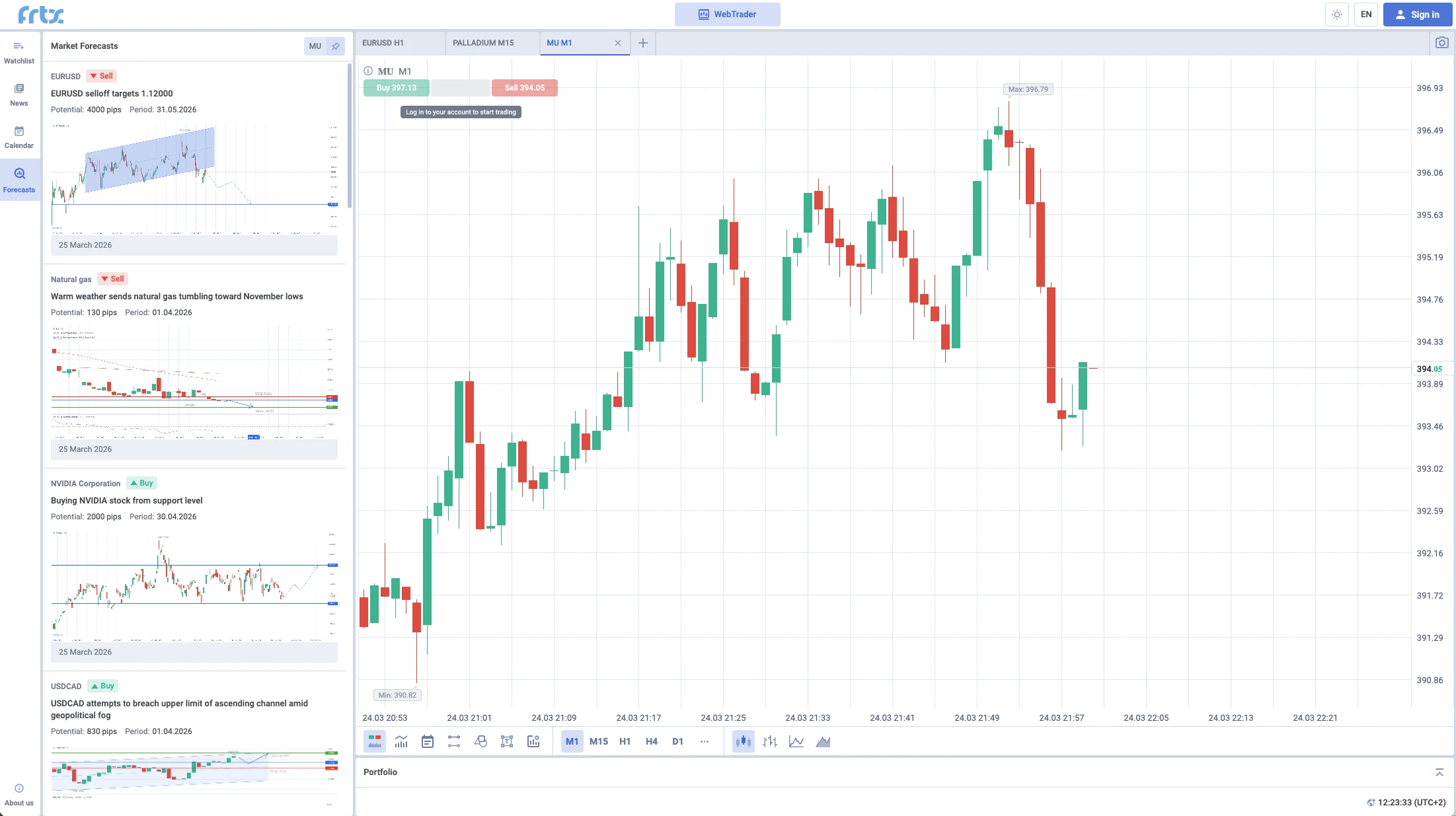
The third point is whether the review matches what can be seen on the official website. If someone writes that FRTX has no clear trading platform, it makes sense to check whether that is true. The official website describes FRTX Web as a browser-based platform for CFD trading, with charts, a trading panel, quotes, market forecasts, and an economic calendar. A review about the platform should somehow relate to that product. If it does not explain what the user actually used, its value is lower.
The fourth point is the license. In broker reviews, this topic is often either ignored or turned into a fear trigger. A more useful approach is simpler: check the data first. The FRTX website lists FRTX Ltd, company registration number HV01125482, and license number BFX2025158. This does not make the broker perfect and does not remove the need for personal due diligence, but it does provide identifiers that can be compared. If a review ignores those details or replaces them with different ones, it becomes less reliable.
Tone also matters. Real client experience often sounds ordinary. A user explains what they did, where they had a question, how support responded, how long verification took, and what they liked or disliked about the platform. Overly dramatic texts often explain less. They contain tension, but few facts. When choosing a broker, facts matter more than drama.
There is also the opposite extreme: overly positive reviews. They should be read with the same caution. If a text promises a perfect service, easy profits, no risk, and “the best conditions for everyone,” it does not sound convincing. Any real brokerage product has limitations. FRTX, for example, clearly warns on its website that leveraged trading involves a high level of risk and may lead to losses exceeding the initial deposit. A fair assessment should include both strengths and risks.
Another useful filter is the question: “Does this review help me make a decision?” If the text makes it clearer how registration works, how the platform feels, how to contact support, or what to check in the license, the review is useful. If it only leaves the reader anxious or excited without adding facts, it is mostly noise.
For FRTX, reviews are best read together with what users can already check on their own. The website includes a trading model, a demo account, analytics, an economic calendar, market views, support, a loyalty program, and a description of the trading platform. These elements provide a basis for independent review. FRTX customer reviews should be treated as an addition to that check, not as a replacement for it.
The most reasonable order is simple. First, check the official website and company details. Then look at the license. Then review the platform, demo account, support, terms, and risk warning. Only after that should customer reviews be read. In that order, other people’s opinions do not throw the reader off track; they simply add another layer to the picture.
The main conclusion is straightforward: real FRTX reviews are not the loudest ones, but the ones that match current information and describe specific experience. Everything else should be read calmly, without panic and without blind trust. Search results contain plenty of noise, but a broker is best evaluated by what can actually be checked.
This material is for informational purposes only and does not constitute investment advice. Forex and CFD trading with leverage involves a high level of risk and may not be suitable for all users.
Подписывайтесь на страницы новостей криптовалют -